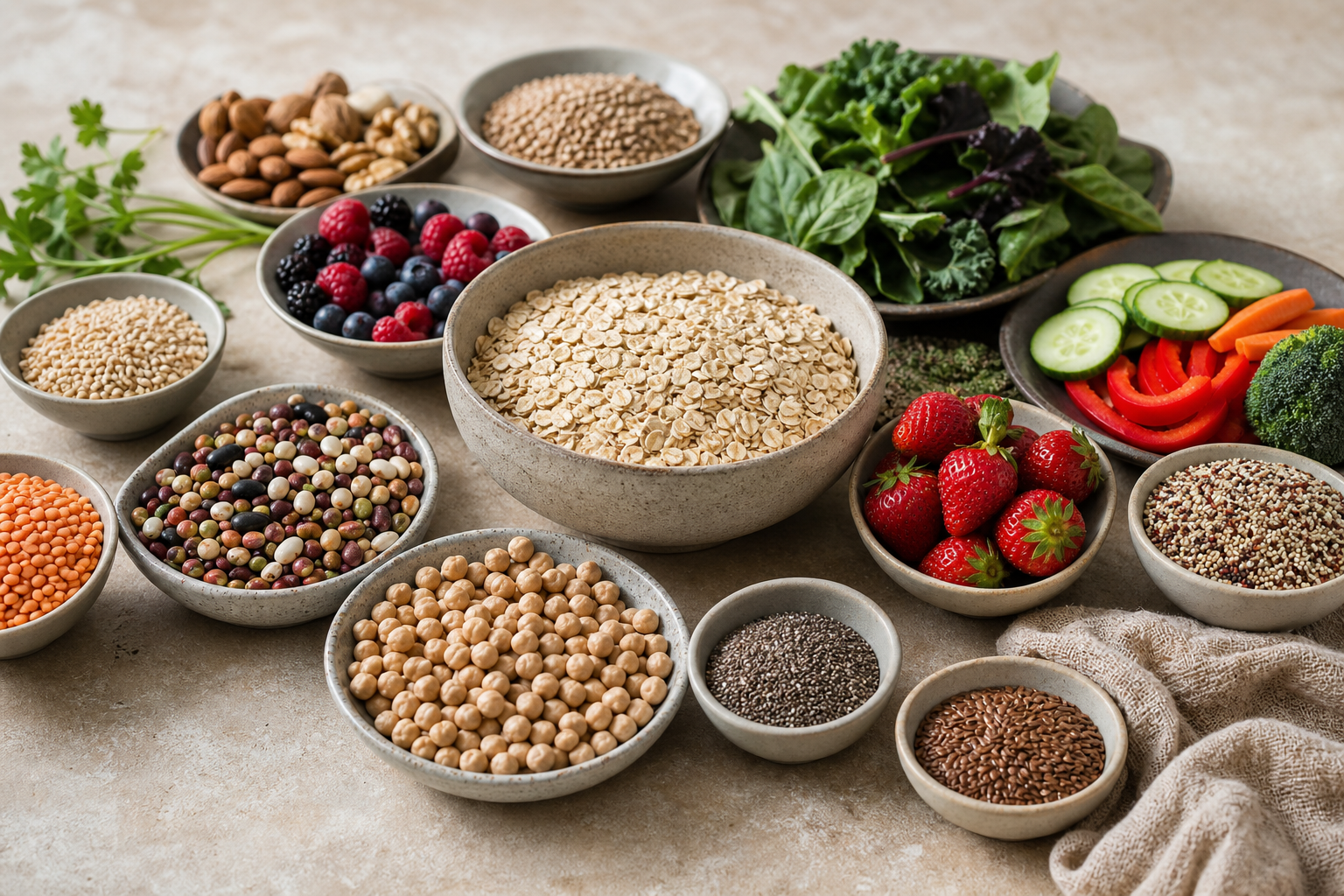
Dietary fiber has a branding problem. Most people hear the word and think about digestion, bran cereal, or advice they ignored in a doctor's office years ago. But fiber deserves a lot more respect than that. It is one of the most reliable, low-drama nutrition tools for improving fullness, metabolic health, and gut function, and most adults still do not get enough of it.
Fiber is the part of plant foods your body does not fully digest. That sounds unimpressive, but it is exactly why it matters. Because fiber slows digestion, adds bulk, and interacts with gut bacteria, it changes how food moves through the body and how full you feel afterward. Broadly, fiber is often divided into soluble and insoluble forms. Soluble fiber absorbs water and forms a gel-like substance, which can slow stomach emptying and blunt blood sugar spikes after meals. Insoluble fiber adds bulk to stool and helps move food through the digestive tract. Most whole plant foods give you a mix of both.
One of fiber's most practical benefits is appetite control. Meals built around beans, lentils, oats, vegetables, berries, and whole grains usually keep people fuller than low-fiber meals with the same calories. That is partly mechanical because fiber increases food volume, and partly hormonal because slower digestion can improve satiety signals. If you are always hungry an hour after eating, it is worth asking whether your meals are too soft, too processed, or too low in fiber.
The blood sugar story matters too. When fiber slows the absorption of carbohydrates, glucose enters the bloodstream more gradually. That can reduce the sharp spikes and crashes that leave people sleepy, irritable, or reaching for more snacks. Higher fiber diets are consistently associated with better insulin sensitivity and lower risk of type 2 diabetes. Fiber is not magic, but it does make the rest of your diet behave better.
Then there is the gut microbiome. Certain fibers act as fuel for beneficial gut bacteria, which ferment them into short-chain fatty acids such as butyrate. Those compounds help support the gut lining, influence immune function, and may improve metabolic health. In plain English, fiber is one of the main ways you feed the organisms that live in your gut and help regulate your internal environment.
Fiber also helps with cholesterol. Soluble fiber, especially from foods like oats, barley, beans, and psyllium, can bind bile acids and support lower LDL cholesterol over time. This is one reason higher fiber intake is linked with lower cardiovascular risk in large population studies. Again, it is not a shortcut around the basics, but it is a useful lever that works quietly in the background.
The catch is that people often increase fiber too aggressively. If you go from a low-fiber diet to a giant salad, lentil soup, chia pudding, and broccoli mountain in one day, your gut may respond like it has been personally insulted. Bloating and gas do not mean fiber is bad. Usually they mean your digestive system and gut bacteria need time to adapt. Increase intake gradually and drink enough water.
For most people, the best fiber plan is boring and sustainable. Start by adding one fiber-rich food to each meal. Oats or berries at breakfast. Beans or whole grains at lunch. Vegetables and legumes at dinner. Nuts, fruit, or roasted chickpeas instead of ultra-processed snacks. Aim for consistency before perfection.
The bottom line is simple: fiber is one of the strongest examples of nutrition basics beating nutrition hype. It supports fullness, steadier energy, better digestion, healthier cholesterol, and a more resilient gut. If your diet is low in fiber, fixing that is likely to do more for your health than the next flashy supplement ever will.